
Publikacje - Instytut Porównawczych Studiów Cywilizacji
Nauka
Wybrane publikacje
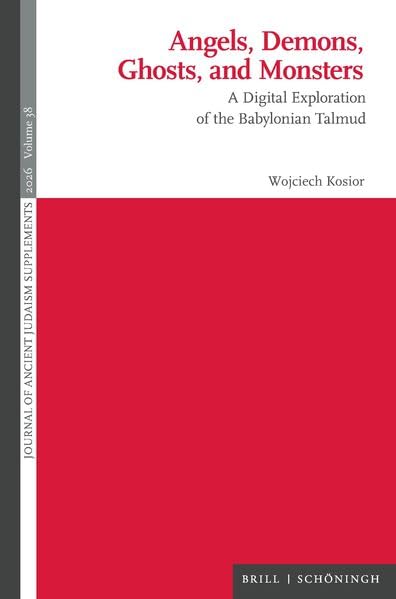
Angels, Demons, Ghosts, and Monsters. A Digital Exploration of the Babylonian Talmud
This volume introduces Elyonim veTachtonim, a novel system for the quantitative and qualitative analysis of supernatural entities. Combining close reading, cognitive theory of religion, and digital humanities, it uncovers underlying patterns in their depiction in the Babylonian Talmud.
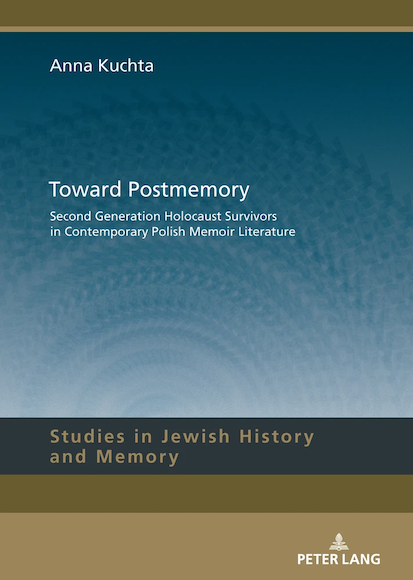
Toward Postmemory. Second Generation Holocaust Survivors in Contemporary Polish Memoir Literature
The book thoroughly explores postmemory in the Polish historical and political contexts to reveal the multidimensional identity strategies of the second generation of Jews in Poland after the Holocaust, also called the "generation after". Kuchta provides a captivating reflection by focusing on transgenerational transmission of trauma, strategies adapted toward the Holocaust legacy, and ways of constructing Polish-Jewish identity projects in the twentieth and twenty-first centuries.
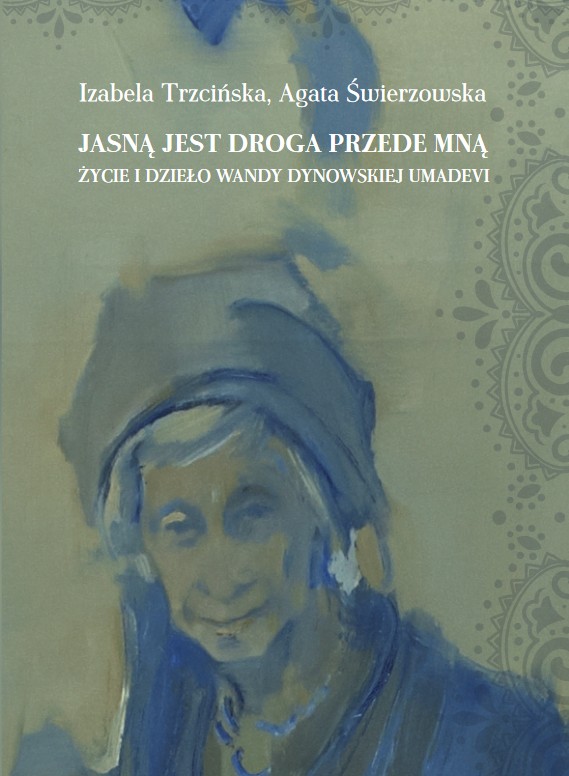
'Jasną jest droga przede mną.' Życie i dzieło Wandy Dynowskiej Umadevi
Książka jest pierwszą kompleksową biografią Wandy Dynowskiej, została przygotowana w przeważającej mierze na podstawie niepublikowanych źródeł archiwalnych. Zebrane materiały zostały potraktowane przez badaczki jako “formy kultury pamięci” (w rozumieniu A. Assmann) reprezentujące życie, działalność, ale i sposoby myślenia, postrzegania i doświadczania przez Wandę Dynowską rzeczywistości.

Haiku
Haiku w lirycznym przekładzie i interpretacji Beaty Szymańskiej, znanej i cenionej krakowskiej poetki oraz profesor filozofii związanej z Uniwersytetem Jagiellońskim, to autorski wybór wierszy klasycznych japońskich twórców. Są to: Matsuo Bashō (1644–1694), Yosa Buson (1716–1784), Kobayashi Issa (1763–1828) oraz nieco późniejszy poeta epoki Meiji, przez wielu zaliczany do wielkich mistrzów haiku: Masaoka Shiki (1867–1902).
Feast as a Mirror of Social and Cultural Changes
The phenomenon of the feast […] provides exceptionally precious material for researching social and cultural changes, including the influence of urbanization on rural feasts. Therefore, it can be perceived as a mirror that reflects those changes. French historian Jacques Heers calls it “a mirror of civilization,” because it is always placed in the social context in which it “springs up and determines its vital shapes and colors” […]. The feast allows us to look, at the same time, at traditional and new elements of a particular culture that coexist next to each other or with each other. The changes in the feasts are “sensitive indexes” of the changes of values, ideas and ideologies, social and political structures, their functioning, and cultural creativity. […]